
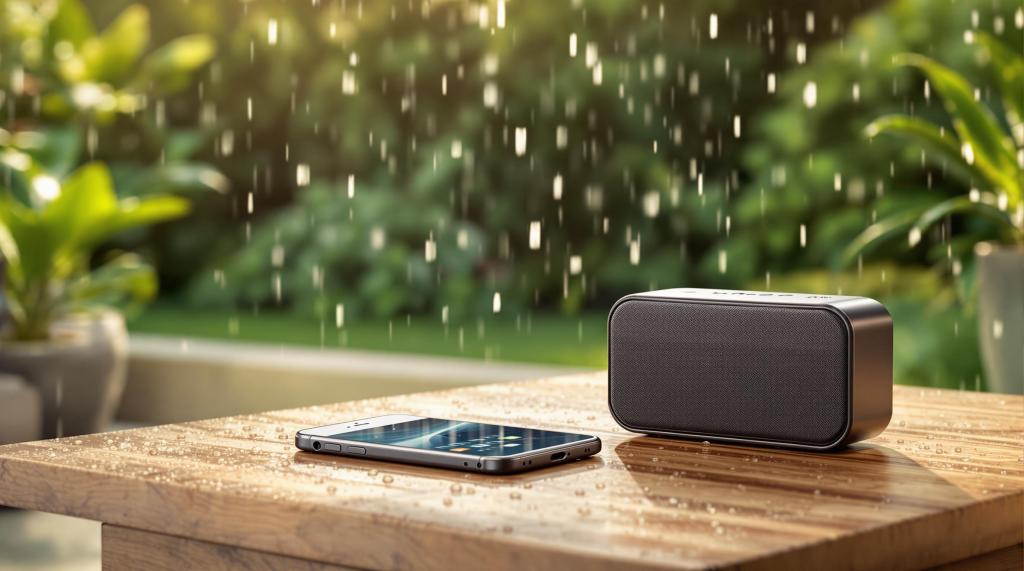
When protecting outdoor electronics, water resistance isn’t enough. You need waterproofing to shield devices from rain, humidity, and submersion. Here’s a quick summary of how to keep your gear safe:
- Waterproof Cases: Use IP-rated cases (e.g., IP67, IP68) for smartphones, cameras, and GPS devices.
- Protective Coatings: Apply acrylic sprays, silicone coatings, or liquid epoxy for added moisture protection.
- Sealing Cables: Use heat shrink tubing, silicone sealants, or waterproof connectors.
- Elevation and Shelter: Raise devices off the ground and use weather-resistant shelters.
- Dry Boxes: Ideal for travel, offering impact resistance and waterproof seals.
- Advanced Techniques: Combine liquid epoxy and heat shrink tubing for underwater applications.
Quick Tip: Combine multiple methods for the best results, and always test your setup before use. Regular maintenance ensures long-term protection. Keep reading for detailed steps and practical advice.
How to Waterproof Electronics
1. Waterproof Cases and Enclosures
Waterproof cases and enclosures are your go-to solution for shielding outdoor electronics from moisture damage. They’re most effective when paired with other protective strategies to keep your devices safe in all conditions.
Types of Waterproof Cases
Waterproof cases are classified using IP ratings, such as IP67 (protection against shallow submersion) and IP68 (for deeper water exposure). The type of case you need depends on the device – smartphones, cameras, and GPS units often require cases designed to meet their specific needs and usage environments.
Key Features to Look For
Choosing the right waterproof case means paying attention to a few important factors:
- Sealing Mechanism: Look for secure seals like latches or gaskets. For instance, the LeMotech Electrical Box uses sturdy latches and a hinged cover to achieve its IP67 rating [3].
- Material Quality: Go for materials that resist impact and won’t warp, ensuring the case maintains its water resistance over time.
- Device Compatibility: Make sure the case allows you to use touchscreens, buttons, camera lenses, and ports without losing functionality.
- Environmental Factors: If you’re dealing with saltwater, opt for cases with added corrosion resistance to handle the harsh conditions.
For tougher environments, some users combine waterproof cases with extra measures like liquid epoxy sealing, especially for underwater use [1].
While cases protect the exterior of your devices, sprays and coatings can add another layer of defense directly to the hardware itself.
2. Protective Sprays and Coatings
Protective coatings shield electronic components from moisture, complementing waterproof cases to guard against water damage.
Types of Coatings
| Coating Type | Protection Level | Best Use Case | Limitations |
|---|---|---|---|
| Acrylic Sprays | Moderate | Quick protection for basic outdoor use | Temporary; needs frequent reapplication |
| Silicone Coatings | High | Flexible components and connections | Higher cost; longer curing time |
| Liquid Epoxy | Maximum | Permanent underwater applications | Complex application; permanent modification |
Quick Selection Tips:
- Acrylic sprays: Easy and temporary; reapply as needed.
- Silicone coatings: Durable and flexible; great for moving parts.
- Liquid epoxy: Long-lasting and ideal for underwater use but harder to apply.
Application Instructions
-
Preparation
- Ensure surfaces are clean and dry.
- Remove any dust or debris to improve coating adhesion.
-
Application Process
- Apply several thin layers instead of one thick coat for better results.
- Use precision tools for sensitive areas.
- Allow proper curing time between layers.
-
Testing and Verification
- Test coated devices in a safe, dry environment before actual use.
- Check for any missed spots or gaps in coverage.
Safety Reminder: Always work on devices that are powered off and disconnected.
For underwater applications, pay extra attention to sealing wire connections to keep water out. With battery-operated devices, opt for waterproof junction boxes that balance water resistance and ventilation [3].
While coatings protect surfaces, don’t forget to seal cables and connectors properly to stop water from seeping in at connection points.
3. Sealing Cables and Connectors
Cables and connectors are common entry points for water, making them a critical focus for protecting electronics. While cases and coatings shield device exteriors, properly sealing these connections ensures your equipment stays safe from moisture damage.
Waterproof Connectors
Choose connectors that match the demands of your environment:
- IP67: Handles temporary submersion, ideal for outdoor cameras and GPS devices.
- IP68: Designed for continuous submersion, perfect for marine equipment.
- Quick-Connect: Offers splash resistance for portable electronics.
Sealing Methods
Combining different sealing techniques is the best way to keep moisture out.
-
Basic Sealing
- Cover connection points with heat shrink tubing.
- Apply silicone sealant to clean surfaces and let it cure fully.
-
Enhanced Protection
- Encapsulate solder joints to prevent water entry along wires.
- Use foam grommets in junction boxes for an added barrier.
- Layer multiple methods for high-risk applications.
"Using liquid epoxy combined with heat shrink tubing has proven exceptionally effective for underwater deployments. In the Cave Pearl Project, we’ve successfully maintained up to 24 DS18b20 sensors on a single logger underwater for multiple years using this method." [1]
Maintenance Tips
- Inspect connections regularly for signs of wear or damage.
- Replace any damaged seals as soon as possible.
- Test your waterproofing setup thoroughly before using it in the field.
Sealing cables and connectors is a vital step in protecting electronics, but you can enhance safety further by considering additional measures like elevating or sheltering your devices.
sbb-itb-0f2357b
4. Protecting Equipment with Elevation and Shelter
Keeping your equipment safe from moisture isn’t just about waterproof cases. Ground moisture can still pose a threat, which is why proper elevation and shelter play a key role in extending the life of your devices.
Elevation and Shelter Strategies
Elevation Methods
- Use weather-resistant brackets or adjustable stands with rubber feet to ensure stability.
- Opt for raised platforms equipped with drainage channels to direct water away.
Shelter Solutions
| Shelter Type | Best Use Case | Key Features |
|---|---|---|
| Pop-up Canopy | Mobile setups | Easy to deploy, UV-resistant materials |
| Weather Station Shelter | Fixed installations | Louvered sides, raised roof for airflow |
| Equipment Tent | Large gear | Durable fabric, multiple access points |
Pairing these techniques with waterproof cases or coatings provides an extra layer of security. Here are a few tips to maximize protection:
- Ensure proper ventilation to avoid overheating and moisture buildup while keeping equipment secure against wind.
- Use materials that resist UV damage for extended outdoor use.
- Design shelters for easy access to simplify maintenance.
For the best results, combine elevated setups with ventilated shelters. This dual-layer approach shields your devices from harsh conditions. And when traveling, dry boxes can provide added protection on the go.
5. Waterproof Dry Boxes for Travel
For adventurers needing portable and dependable protection, dry boxes are a smart choice to safeguard gear. Brands like Pelican and Aquapac offer designs with features like crush-resistant shells, silicone seals, padded interiors, and pressure release valves to handle altitude changes.
Key Features of Dry Boxes
Dry boxes are built for tough conditions. Some of the standout features include:
- Waterproof certification to keep moisture out.
- Impact-resistant construction to handle drops and bumps.
- Pressure regulation systems for altitude adjustments.
- Customizable padding to protect delicate items like electronics.
Together, these features protect against water, dust, and physical damage, making dry boxes a reliable option for rugged use.
Best Situations for Dry Boxes
Dry boxes shine in situations where other waterproofing methods might fall short. Here are some examples:
Water-Based Activities
- Kayaking or other water sports
- Storing gear for beach photography
- Keeping snorkeling equipment safe
Land-Based Adventures
- Extended hiking trips
- Desert treks
- High-humidity environments
"A reliable waterproof case can prevent or minimize shock damage caused by falling or being dropped. A well-sealed case can also prevent water damage." – Data-Alliance.net [2]
Opt for a box size that fits your gear, and use customizable padding to secure items during transport. Clear-panel options are handy for checking contents without opening the box, especially on long journeys. To maintain effectiveness, regularly check and clean the seals.
While dry boxes are excellent for travel, more advanced waterproofing methods may be better suited for highly specialized needs.
6. Advanced Waterproofing Techniques
Sometimes, basic waterproofing methods like cases and coatings just don’t cut it. For extreme conditions or specialized equipment, you need solutions that go beyond the standard. That’s where advanced waterproofing techniques come in, offering stronger and longer-lasting protection.
Liquid Epoxy and Heat Shrink Tubing
Combining liquid epoxy with heat shrink tubing creates a tough, waterproof seal that resists both moisture and physical stress. This method, highlighted by the Cave Pearl Project, is especially effective for underwater use, providing both a watertight bond and added durability.
| Component | Function | Key Consideration |
|---|---|---|
| Liquid Epoxy | Forms a waterproof bond | Avoid air bubbles |
| Heat Shrink Tubing | Adds mechanical protection | Use the right size |
| Combined Solution | Double-layer protection | Ensure a clean application |
To get the best results, work in a clean, well-ventilated area. Apply the epoxy carefully, ensuring no air bubbles form, and then use heat shrink tubing to reinforce the seal. This combination is especially effective for underwater projects.
"Breaking incoming wires with a solder joint encapsulated before housing penetration is more reliable than using cable glands to prevent water wicking along wires." – The Cave Pearl Project [1]
Underwater Applications
Marine electronics face unique challenges, including constant water exposure and high pressure. To protect equipment in underwater environments:
- Use UV-resistant enclosures and marine-grade connectors.
- Test seals thoroughly before deploying.
- Regularly check for moisture buildup.
- Consider the pressure at the depth of installation.
For shallow water, flexible polymers often do the job. But for deeper installations, you’ll need rigid materials that can handle the added pressure [1].
Even with the best waterproofing, regular maintenance is crucial. Over time, moisture can find its way in, so inspections are key for long-term success.
Conclusion
Protecting outdoor electronics from water damage is all about choosing the right waterproofing method for your specific environment. This can go a long way in keeping your devices working reliably, even in tough conditions.
Using IP-rated waterproof cases is often the first step, providing solid protection against water and dust. For harsher environments, options like liquid epoxy and heat shrink tubing have proven their durability – just look at the Cave Pearl Project’s underwater success [1].
When deciding on a waterproofing approach, think about the challenges you’ll face. For marine settings, you’ll need solutions that can handle constant moisture and salt exposure. On the other hand, activities like hiking or camping might call for portable options such as dry boxes or keeping devices elevated. The trick is to match the level of protection to your actual needs.
Don’t forget about maintenance. Regularly checking seals and coatings ensures they stay effective, helping to prevent water damage and extend the life of your gear. Whether you’re sticking with simple cases or diving into more advanced methods, proper use and upkeep are key to success.
FAQs
How to waterproof outdoor electronics?
To waterproof outdoor electronics, use IP-rated enclosures along with protective coatings like epoxy or silicone. For harsher conditions, methods such as epoxy applications and heat shrink tubing (discussed in Section 6) provide durable, long-lasting protection. The idea is to layer multiple protective measures that suit your specific environment.
For most outdoor setups, start with a waterproof case. Then, enhance the protection by adding coatings or seals. This layered approach helps shield your electronics from moisture and other environmental factors [3].
How to weather seal electronics?
Weather sealing electronics involves selecting the right methods based on your needs. Here are a few common solutions:
- Protective varnish for circuit boards: Shields internal components from basic exposure.
- Silicone adhesive: Ideal for sealing cable entry points and connections.
- UV-cured coatings: Offers advanced protection for components exposed to the elements.
For the best results, combine these methods. For instance, coat internal parts with varnish and then place them inside a waterproof enclosure with securely sealed cable connections. This creates multiple layers of defense against moisture [2].
Related posts
- 8 Best Lightweight Tents for Backpacking in 2025
- The best portable toilets to install in your caravans in 2025
- The complete review of Nature’s Head composting toilet
- The top places to visit while caravanning around New Zealand
https://app.seobotai.com/banner/banner.js?id=6775fb12bf335a1e6fd98a27
 Live Outdoors