
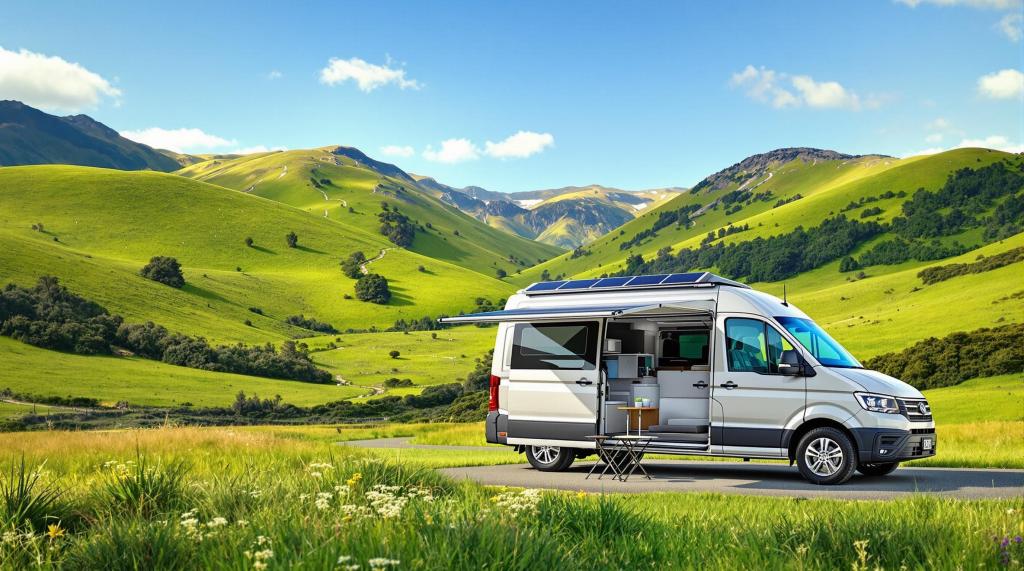
Planning to freedom camp in New Zealand? Here’s what you need to know about self-containment certification:
- What is it? Certification confirms your vehicle can operate independently for 3 days without external services, managing water, waste, and rubbish responsibly.
- Why do you need it? It’s mandatory for freedom camping and ensures access to over 500 camping sites while protecting the environment.
- Key updates: Starting June 7, 2025, all certified vehicles must have a fixed toilet and display the new green warrant.
- Costs and validity: Certification costs include a $120 government levy plus inspection fees ($60–$150) and is valid for 4 years.
- How to get certified: Ensure your vehicle meets NZS 5465:2001 standards, find a certified inspector, and complete the inspection.
This guide breaks down the process, requirements, and benefits to help you stay compliant and enjoy New Zealand’s stunning camping spots responsibly.
Why so many Caravans and Motorhomes FAIL the New Certification (And How to Fix It)
Understanding Self-Containment Certification
Self-containment certification plays a crucial role in supporting New Zealand’s efforts to promote eco-friendly tourism and safeguard its natural environment.
What Is Self-Containment Certification?
This certification confirms that a vehicle can support its occupants for up to three days without relying on external services. Certified inspectors ensure vehicles meet national standards by conducting thorough system checks, issuing certificates, and keeping detailed records [2][3]. This process aligns with New Zealand’s broader environmental goals, which we’ll touch on in the next section.
NZS 5465:2001 Standards: What Do They Cover?
The NZS 5465:2001 standards outline the key requirements for self-contained vehicles:
| Component | Requirement |
|---|---|
| Fresh Water Supply | 4L per person per day (minimum 12L total) |
| Toilet Capacity | 3L per person minimum |
| Wastewater Tank | 12L per person minimum |
| Evacuation Hose | 3 meters for fitted tanks |
These standards ensure vehicles can operate independently for three days, as mentioned earlier.
In addition to these core requirements, vehicles must also include:
- A fitted sink with a smell trap
- A sealable refuse container
- An adequate ventilation system
- A fixed toilet (required under updated regulations)
The costs for certification typically include a $120 government levy, plus inspection fees ranging from $60 to $150 [1]. Certified vehicles gain access to freedom camping areas while helping to protect New Zealand’s fragile ecosystems.
Advantages of Self-Containment
Self-containment certification provides a range of benefits for travelers and helps protect New Zealand’s natural beauty. Here’s a closer look at why it’s worth considering.
Access to Freedom Camping
With certification, you can legally stay at over 500 Department of Conservation (DOC) sites and council-managed camping zones. These include some of the most remote and stunning coastal and wilderness areas. It’s a chance to explore New Zealand’s breathtaking landscapes while adhering to responsible camping practices.
Environmental Benefits
Self-containment certification plays a key role in supporting New Zealand’s conservation efforts. DOC-managed areas have seen notable progress in protecting natural spaces thanks to strict self-containment rules. These measures help minimize the environmental footprint of tourism.
"Self-containment certification is not just about access to freedom camping spots; it’s about responsible tourism and protecting New Zealand’s pristine environment for future generations." – Sarah Johnson, CEO of Tourism Industry Aotearoa, New Zealand Herald, 2023
Key environmental advantages include:
- Preventing pollution with proper waste management systems
- Easing pressure on local infrastructure and resources
- Contributing to efforts to safeguard New Zealand’s biodiversity
Cost Savings
Certification doesn’t just benefit the environment – it can also save you money. Travelers can cut down on accommodation costs, avoid fines for non-compliance (which can reach $600), and reduce utility expenses by using self-sufficient systems.
For those planning extended trips in New Zealand, self-containment certification offers a practical and eco-conscious way to explore the country while keeping costs manageable.
sbb-itb-0f2357b
Steps to Obtain Certification
Getting certified involves three main steps: finding an inspector, preparing for the inspection, and understanding the costs involved.
Locating a Testing Officer
The New Zealand Motor Caravan Association (NZMCA) offers access to a network of certified inspectors. You can reach out to local RV service centers or check with Certification Authorities in your area. This network provides coverage across both urban and remote regions.
Inspection and Documentation
Make sure your vehicle’s systems meet the required standards before the inspection:
| Component | Requirement |
|---|---|
| Fresh Water Tank | Must meet minimum capacity standards |
| Fixed Toilet | Secured properly for travel |
| Wastewater System | Includes a grey water tank |
| Sink | Equipped with a water trap |
| Evacuation Hose | Suitable for waste disposal |
| Rubbish Container | Must be sealed |
| Ventilation System | Needs to function correctly |
These specifications align with the NZS 5465 standards outlined earlier in Section 2.
Fees and Validity
Once your vehicle passes inspection, there are two required fees:
- Inspection fee: Ranges from $60 to $150, depending on your vehicle’s size and the inspector’s location [1].
- Government levy: A fixed cost of $120 [1].
After certification, your self-containment status is valid for four years [1][2]. Be sure to display the green warrant card prominently when traveling.
Maintaining Compliance
Once certified, staying compliant involves a few important steps:
System Maintenance
Keeping your vehicle in line with self-containment standards means regular upkeep. For vehicles that see a lot of use, quarterly checks are a must [1].
| Component | What to Check |
|---|---|
| Fresh Water | Look for leaks, ensure cleanliness, and test the fill mechanism. |
| Wastewater | Check seals and drainage functionality. |
| Toilet | Confirm cleanliness and inspect seal integrity. |
| Plumbing | Test trap functionality and look for pipe leaks. |
| Ventilation | Clean vents and ensure fans are working. |
"Regular maintenance of your self-containment systems is not just about compliance – it’s about responsible travel and protecting our beautiful landscapes." – John Smith, President of the New Zealand Motor Caravan Association, NZMCA Official Statement 2024.
Waste Disposal
Handling waste correctly is critical for both certification and environmental care. Follow the NZS 5465 standards to ensure you’re disposing of waste in a way that safeguards New Zealand’s environment.
Certification Renewal
As your four-year certification period comes to an end, take these steps:
- Start the renewal process 6-8 weeks before your certificate expires.
- Find a certified testing officer.
- Fix any issues identified during checks.
- Complete and submit the required paperwork.
Conclusion
Key Points
As outlined earlier, meeting the certification requirements ensures a more responsible and eco-friendly travel experience while preserving New Zealand’s stunning landscapes. Self-containment certification acts as a gateway to exploring responsibly, with updated rules coming into effect on June 7, 2025. These updates highlight the importance of fixed toilets and introduce a standardized four-year validity period [2].
Renewing certification, as discussed in the maintenance section, follows a clear and organized process. This ensures that vehicles consistently meet the necessary standards for waste management, water storage, and overall compliance throughout their validity period [2]. This approach helps maintain high-quality practices for travelers and the environment alike [4].
Further Resources
For those looking to make the most of their certified vehicles, Live Outdoors (liveoutdoors.co.nz) provides helpful gear guides and camping location tips. Additionally, the New Zealand Motor Caravan Association (NZMCA) offers valuable resources and guidance to assist vehicle owners through the certification process. Their support, combined with official government guidelines, ensures travelers stay up to date with current standards while encouraging eco-conscious camping.
The Plumbers, Gasfitters and Drainlayers Board (PGDB) keeps the national register of self-contained vehicles, providing official verification records for added peace of mind.
FAQs
Here are answers to some common questions about the certification details discussed in this guide:
What is required for self-containment?
To meet certification standards under NZS 5465:2001, your vehicle needs a fixed toilet, a sealed wastewater system, and a fresh water supply. It must also include a properly installed sink connected to a sealed wastewater tank with a smell trap. The fresh water and wastewater capacities should align with NZS 5465:2001 standards. Additionally, you’ll need a 3-meter evacuation hose (as specified in NZS 5465) and a sealable refuse container.
What are the new self-containment rules in New Zealand?
The biggest update is the requirement for fixed toilets in all certified vehicles, effective June 7, 2025, as outlined in the "Who Needs Certification?" section [1][2]. This change highlights New Zealand’s commitment to minimizing waste-related impacts. Portable toilets, while still allowed, are restricted to council-designated areas or locations that explicitly permit them.
Another update is the shift from blue to green warrants for certifications. All new certifications now follow the green warrant system [2]. These certifications are valid for four years and involve government levy and inspection fees, as explained in the certification process. The Plumbers, Gasfitters and Drainlayers Board (PGDB) manages the official register of certified vehicles to ensure compliance with these updated rules [2].
Related Blog Posts
- The complete review of Nature’s Head composting toilet
- The top places to visit while caravanning around New Zealand
- Ultimate Guide to Leave No Trace in NZ
- How to Plan a Trip to Accessible Trails in NZ
https://app.seobotai.com/banner/banner.js?id=6792e32b4d8c530a78ada1b2
 Live Outdoors