
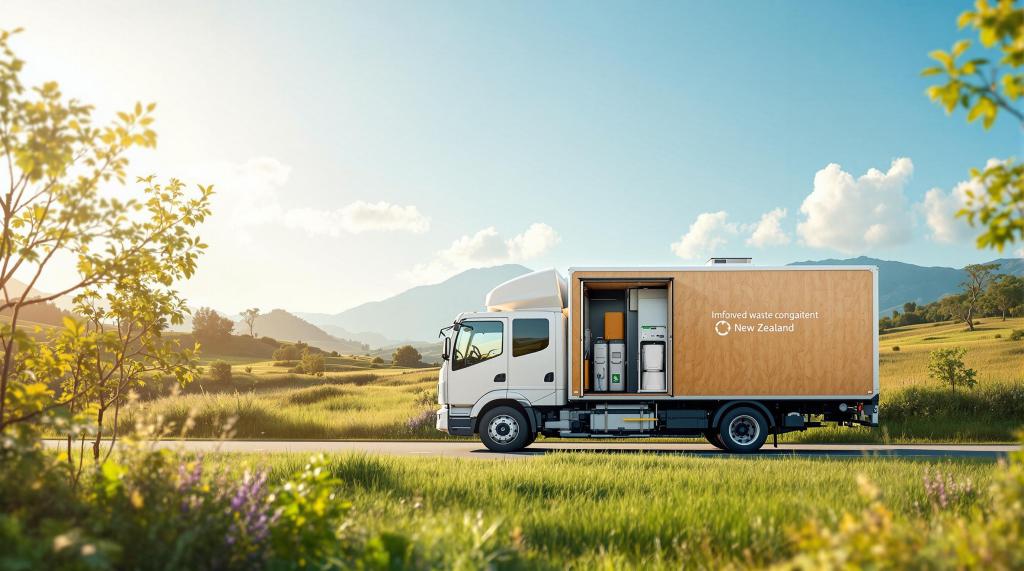
Starting June 7, 2025, New Zealand is introducing stricter self-contained vehicle certification rules to improve waste management and reduce pollution from freedom camping. Key updates include:
- Mandatory Green Warrants: Replacing blue warrants, valid for 4 years, with $400 fines for non-compliance.
- Fixed Toilets Required: Portable toilets no longer qualify. Vehicles must have permanently installed toilets with proper blackwater systems.
- Inspection Overhaul: Only accredited inspectors can certify vehicles under the new standards.
Deadlines:
- Private Owners: Green warrants required by June 7, 2025.
- Rental Companies: Compliance required by December 7, 2024.
These changes aim to cut camping-related pollution by 65% within five years, with benefits like cleaner campsites, reduced cleanup costs, and improved tourism infrastructure.
Why so many Caravans and Motorhomes FAIL the New Certification (And How to Fix It)
Main Changes to Certification Rules
The 2025 updates to New Zealand’s self-contained vehicle standards bring in new requirements and stricter guidelines.
Blue to Green Warrant Transition
The Self-Contained Motor Vehicles Legislation Act 2023 introduces green warrants as the new certification standard. Starting June 7, 2025, all self-contained vehicles must have a green warrant to meet compliance standards . These changes come with more stringent technical rules for vehicle sanitation systems.
What sets green warrants apart:
- Enforced at a national level
- Valid for 4 years
- $400 fines for non-compliance
Permanent Toilet Installations
Sanitation improvements now require vehicles to have fixed waste management systems. Specifically, all vehicles must include:
- A permanently installed toilet
- Functionality for use without needing to deploy a bed
- Blackwater tanks with external ventilation, compliant with August 2024 specifications
This addresses issues like improper waste disposal, which MBIE studies found to occur in 38% of cases .
New Inspector Certification Rules
The Plumbers, Gasfitters and Drainlayers Board now oversees the inspection process. Key changes include:
- Inspectors must hold mandatory accreditation
- Compliance with NZS 5465:2001 standards
- Refunds for failed inspections
Deadlines and Time Frames
The updated inspection protocols come with specific compliance deadlines, which differ based on ownership type:
Private Owner Deadlines
Private owners need to secure green warrants by June 7, 2025. Existing blue warrants will remain valid until they either expire or this deadline is reached .
Starting June 7, 2024, only green warrants will be issued . This means any private owner applying for a new certification or renewing an existing one after this date must comply with the updated fixed toilet standards.
| Certification Period | Requirements | Deadline |
|---|---|---|
| New Certifications | Green warrant only | After June 7, 2024 |
| All Vehicles | Must have green warrant | By June 7, 2025 |
Rental Company Deadlines
Rental companies face an earlier deadline, with compliance updates required by December 7, 2024 . This timeline ensures rental fleets meet the updated standards before the busy tourist season, helping to address waste issues during peak travel periods .
Leading companies, such as Spaceships Rentals, have already pledged to meet the December 2024 deadline . This phased approach allows rental fleets to set an example in adopting the new standards ahead of private owners.
Failure to comply could result in penalties, including:
- $400 infringement fees
- Restricted access to freedom camping areas
These penalties emphasize the importance of meeting the updated regulations and align with the broader environmental goals they aim to achieve.
sbb-itb-0f2357b
Effects on Vehicle Owners
Changes for Private Owners
New compliance deadlines mean private vehicle owners face stricter rules, especially around sanitation systems. One major update: portable toilets no longer meet certification standards. Instead, permanent toilet installations are now required .
Here’s a breakdown of the potential costs involved, depending on your vehicle and current setup:
| Cost Component | Estimated Range (NZD) | Notes |
|---|---|---|
| Fixed Toilet Installation | $800-$2,000 | Includes plumbing work |
| Inspection Fee | $300-$500 | Required every 4 years |
These changes aim to reduce the $120,000 councils spend annually on cleanup costs . To avoid last-minute issues, the MBIE suggests scheduling recertification 6 to 12 months before your deadline .
Changes for Rental Companies
For rental companies, these updates are part of the broader push to address waste management challenges, especially during peak travel seasons .
Rental businesses will need to make significant adjustments to meet these new standards. Here’s what they can expect:
| Aspect | Impact on Rental Companies |
|---|---|
| Fleet Upgrades | NZ$500-$1,200 per vehicle |
These operational changes are designed to align with the environmental goals set for 2025.
Benefits of New Rules
The new regulations tackle compliance and waste challenges head-on, producing measurable improvements in several areas.
Waste Management Results
Initial data shows promising outcomes: cleanup costs in the Tasman District have dropped by 61%, and bacterial contamination at Abel Tasman sites has decreased by 89% . The Environmental Protection Authority estimates an 83% reduction in freshwater contamination risks from campervan waste by 2026 .
The increased infringement fee of $400 is proving effective, supported by improved monitoring systems for nationwide enforcement .
"Fixed toilet systems reduce environmental contamination by 78% compared to portable solutions in our field tests." – NZ Camping Association Technical Report, 2024
Camping Area Updates
Higher sanitation standards are improving camping site conditions. Through the green warrant system linked to MBIE’s certification database, rangers can now verify compliance in real-time . This has been particularly helpful in managing overcrowded locations like Moke Lake in Queenstown Lakes District .
Survey data from the Campervan Association shows that 78% of users have noticed better-maintained facilities, and 82% feel safer drinking local water . Additionally, the Department of Conservation has reopened 12 freedom camping areas .
Kaikōura District is using annual cleanup savings to upgrade sites, while certified vehicles have boosted local tourism revenue by 42% . These changes align closely with the Zero Carbon Act’s goals for sustainable tourism infrastructure . The MBIE predicts a 90% drop in campervan-related nitrogen runoff in sensitive wetlands over the next five years , underscoring the long-term environmental impact of these rules.
Next Steps
Main Points Review
New Zealand is making a big change to its self-contained certification system with the shift to green warrants. According to MBIE, these new rules establish consistent national standards . The updates are aimed at reducing campground pollution, which has already shown improvement .
One key update involves replacing portable toilets with fixed systems that meet NZS 5465:2001 standards . This aligns with the goal of cutting pollution by 65% .
| Requirement Type | Private Vehicles | Rental Vehicles |
|---|---|---|
| Compliance Deadline | 7 June 2025 | 7 December 2024 |
| Documentation | Digital certification | Certification tracked via MBIE system |
Compliance Steps
To keep using reopened camping areas and avoid penalties, vehicle owners should follow these steps:
- Assessment: Get in touch with accredited inspectors through MBIE’s directory .
- Technical Modifications: Install fixed toilets, upgrade ventilation, and add tank level sensors that meet the August 2024 specifications .
- Documentation and Certification: Submit records of installations and updated waste tank details for real-time compliance checks .
For support, MBIE offers a hotline (0800 268 637) where certified vehicle engineers can assist with any technical questions .
FAQs
What are the new self-containment rules in New Zealand?
New Zealand has updated its self-containment rules, focusing on three main compliance areas:
| Requirement | Compliance Focus |
|---|---|
| Inspection Standards | Vehicles must meet updated plumbing standards. |
| Access Requirements | Ensure there is sufficient access space. |
| Implementation Timeline | Deadlines vary by vehicle category. |
Key Changes for Vehicle Owners:
- Fixed Toilets: All vehicles must now have permanently installed toilets with adequate access space .
- Rental Rate Adjustments: Rental prices may rise to help cover the costs of fleet upgrades while staying competitive in the tourism market .
- Start Early: Vehicle owners are encouraged to begin certification upgrades ahead of deadlines due to expected high demand .
Related Blog Posts
- The top places to visit while caravanning around New Zealand
- Ultimate Guide to Self-Containment Certification in NZ
- What Is Self-Containment Certification in NZ?
- NZ Solar Panel Standards for Caravans and Motorhomes
https://app.seobotai.com/banner/banner.js?id=67a95139147d5f3186d497d6
 Live Outdoors